Washington Park Historic District
Fifty blocks of brownstone and Queen Anne row houses ringing Washington Park — one of the best-preserved Victorian residential neighborhoods in the northeast, all walkable.
 Washington Park neighborhood brownstone row houses
What to expect at Washington Park Historic District
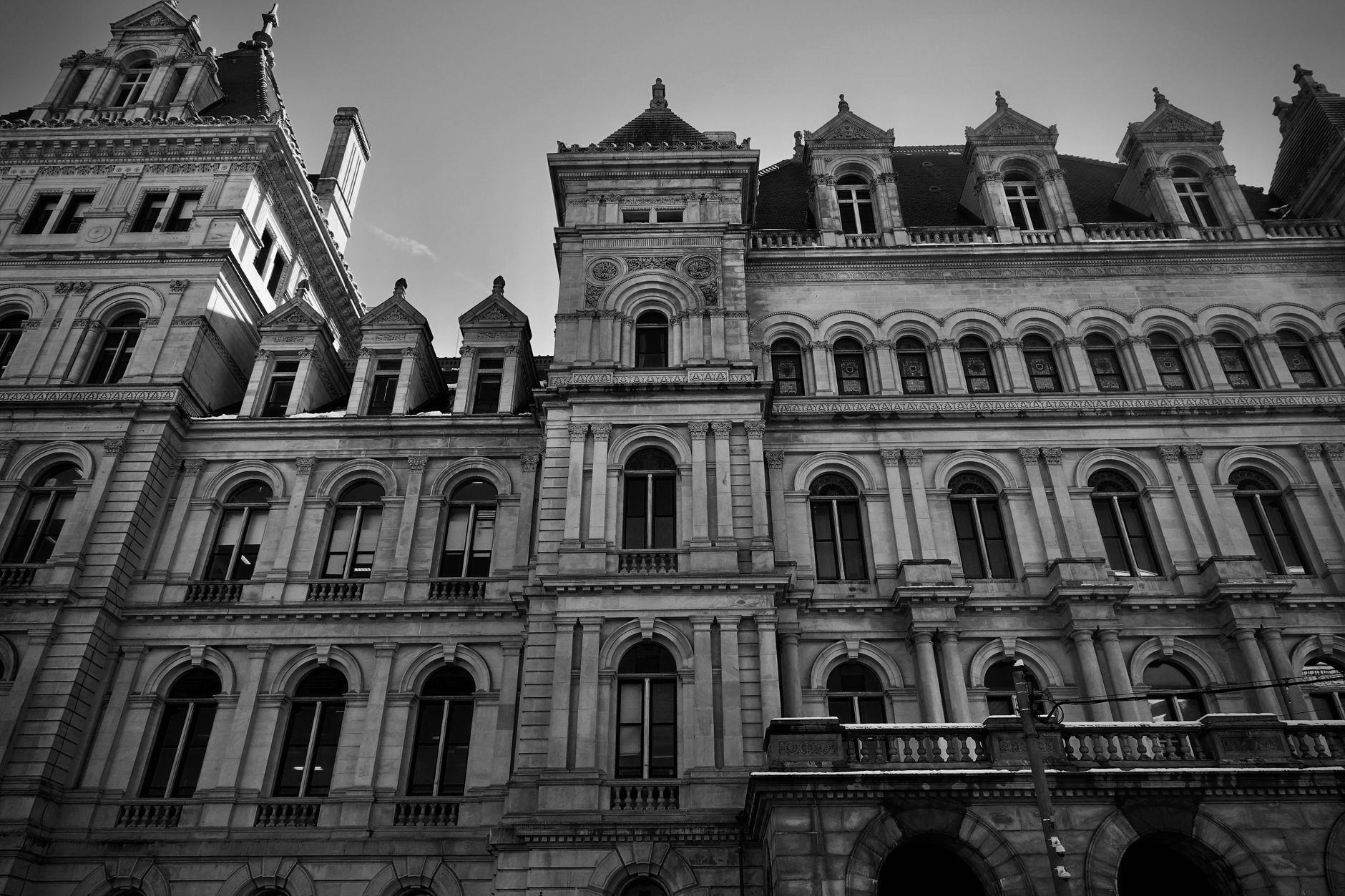
The Washington Park Historic District wraps around all four sides of Washington Park itself, covering roughly 50 blocks of unbroken Victorian row houses — brownstones, Queen Annes, Second Empires, Romanesques — built mostly between 1870 and 1900 when Albany was one of the wealthiest cities per capita in America. It's on the National Register and it's the neighborhood most Albany families with young kids stay in or near, because the townhomes have been converted into boutique inns, family-run B&Bs, and short-term rentals with real character. Read the district at eye level and the chronology becomes obvious: mansard roofs and iron cresting on the earliest 1870s rows, then Queen Anne gables, terracotta panels and corner turrets through the 1880s, then heavy rough-faced Romanesque arches on the houses built when the money was loudest. Doorways, stoops, transoms and cornices carry most of the variation, so walk slowly — and don't expect to get inside, because these are private homes and apartments, not house museums.
The best walking loop starts at Willett Street (east side of the park), goes north to State Street, east to Lark, south down Lark, and back west along Madison — about 90 minutes at a slow pace. Standouts include the Governor's Mansion (138 Eagle Street, publicly visible, tours by advance request), the Fort Orange Club on Washington Avenue (an 1880 gentleman's club, exterior only), and the block of State Street between Willett and Lark where every house is fully intact. The Historic Albany Foundation runs $10 guided walking tours Saturdays at 10:00, May through October. For an extra twenty minutes, detour north off State onto Sprague Place, Englewood Place and Thurlow Terrace, where the lots widen and freestanding 1890s houses break the terrace rhythm — the quietest corner of the district and the one photographers skip. If time is short, walk the streets rather than the park's inner paths.
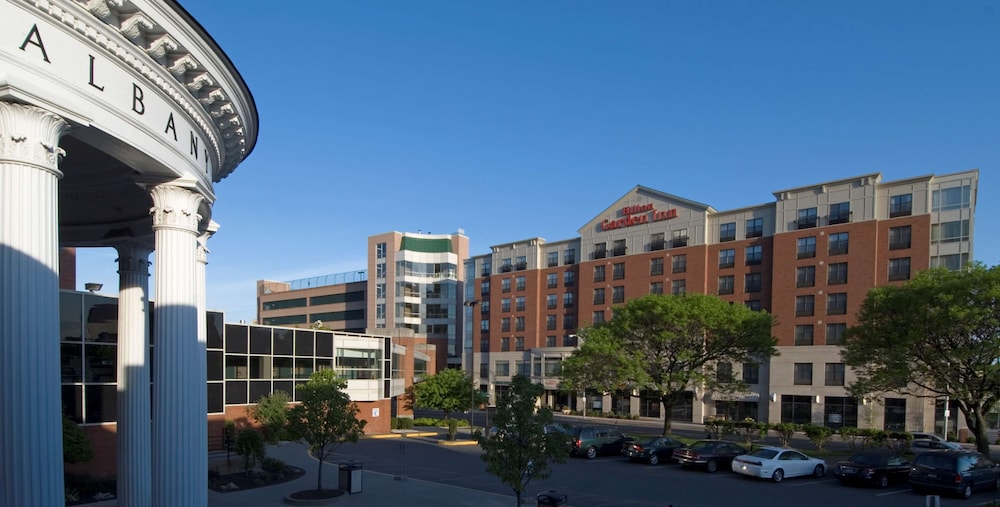
This is where Albany Eco genuinely recommends families base themselves — quiet residential streets, ten minutes' walk to Washington Park playgrounds, ten minutes to Lark Street food, twelve to the State Museum. Photograph early morning (best light on the east-facing brownstones) or on a clear October afternoon when the trees turn. Fully residential — respect that people live here. If you want to sleep inside the district rather than beside it, The Morgan State House sits on State Street directly facing the park, and short-term listings such as Walk to Washington Park: Remote Work ready Apt put you on the same brick sidewalks. Downtown chains are the fallback and the walk is short: Hilton Albany, Hampton Inn & Suites Albany Downtown and Fairfield Inn & Suites by Marriott Albany Downtown are all 10 to 15 minutes east on foot, all of it uphill on the way back.
Getting here is a walk more often than a ride. From the Capitol and Empire State Plaza, head west up State Street for 10 to 12 minutes and the row houses start at Dove; from the Times Union Center end of downtown, allow 15 minutes. CDTA routes 10 and 12 run along Washington Avenue and Madison Avenue on either side of the park, and the BusPlus Red Line on Washington Avenue links the district to Crossgates Mall and the university corridor; an adult single fare is $1.50 and an all-day pass $4.00, exact change or the Navigator app. Arriving by train, Albany-Rensselaer station is across the Hudson — a rideshare is roughly 10 minutes and typically $15 to $20, which beats connecting through downtown by bus. Driving, aim for a weekend or an evening: many blocks carry residential permit signage on weekdays, and Lark and Madison have meters.
The district itself costs nothing, which makes it the best-value two hours in Albany. The only fixed price is the Historic Albany Foundation guided walk at $10 per person, meeting Saturdays at 10:00 at 89 Lexington Avenue, May through October; the same office sells local architecture guides if you would rather do it alone. Everything else you spend is food and neighbouring admissions: coffee on Lark Street runs about $3 to $5, a sit-down lunch $12 to $18, and brunch at Iron Gate Café on Washington Avenue is the reliable pre-walk option. Nearby paid sights are cheap — the Albany Institute of History & Art charges around $10 for adults, Schuyler Mansion State Historic Site about $5 for a guided tour, and the New York State Museum is free with a suggested donation. Skip paid parking entirely if you can walk from downtown.
Timing matters more than season. Between 7:00 and 9:00 the sidewalks are empty, the light rakes across the east-facing State Street row, and residents are the only people you'll pass; by mid-afternoon Madison Avenue fills with school traffic and parked cars block the best sightlines. May and October are the peak months — the second weekend of May brings the Tulip Festival, which fences and fills the park with tens of thousands of people and now charges for the festival footprint, though the surrounding streets stay free and stay walkable. July and August evenings mean free lawn seating at Park Playhouse musicals in the park amphitheater. December through March strips the trees and exposes cornices beautifully, but sidewalks are shovelled inconsistently and February and March are grey and salt-stained. Come in the morning, in either shoulder season, and you get the district at its best.
It suits anyone who reads buildings, and it suits families staying nearby who want a loop that ends at a playground on the Madison Avenue side. It does not suit wheelchair users well: the bluestone and brick sidewalks heave, curb cuts are inconsistent, and almost every entrance is up a stoop — the park's own paved loop is the accessible alternative and it is a genuinely pleasant one. Teenagers last about twenty minutes unless the walk finishes with food on Lark Street. On a rainy afternoon, skip it entirely and spend the time in the New York State Museum or the Albany Institute instead. And if you have a one-hour gap before an Amtrak departure, don't attempt it: the station is across the river and the maths does not work. Two hours, dry, on foot, is the honest minimum.
Fold the walk into a half-day easily. Lark Street is on the district's eastern edge — two minutes from the park, with Bombers Burrito Bar and Café Hollywood among the long-running fixtures, and a September street festival that closes the whole strip. The Albany Institute of History & Art at 125 Washington Avenue is an 8-minute walk from the park's northeast corner and the natural pairing, because it explains the money that built these houses. The State Capitol, with free tours, and the Empire State Plaza with the New York State Museum are 12 to 15 minutes east. The Cathedral of All Saints on Elk Street adds about 12 minutes and a look at Albany's other elite Victorian block. Inside the park, the Lake House, the Moses fountain and the Robert Burns statue are worth the detour if you have the daylight.
The honest caveats: there are no interiors. Visitors regularly arrive expecting a house museum and there isn't one inside the district — Schuyler Mansion and Ten Broeck Mansion, the two you can actually tour, sit outside it in other neighbourhoods. The Governor's Mansion is not a walk-in; tours are by advance request, capacity is small, and it stands five blocks east of the park boundary. The Fort Orange Club is a private members' club and photographing arriving members is as awkward as it sounds. The Saturday tour is one departure a week for six months of the year and fills up. The district is also not uniformly pristine — the southern and western edges carry vinyl-sided infill and the occasional vacant shell. And Washington Park is frequently called an Olmsted park; it is in that tradition but was not designed by Olmsted himself.
Questions about Washington Park Historic District
Free to walk. Guided tours through Historic Albany Foundation cost $10 per person. Nothing else in the district charges, because nothing in it is a ticketed attraction — the houses are private. Budget instead for food and neighbours: coffee on Lark Street $3 to $5, lunch $12 to $18, the Albany Institute of History & Art around $10 for adults, Schuyler Mansion about $5, the New York State Museum free with a suggested donation. Street parking is free on many blocks outside weekday permit hours.
Yes, always free. Free downloadable maps at historicalbany.org. Load the map before you set out, because street signage tells you nothing about the buildings and cell reception in the district is fine but the maps are large. The standard loop — Willett north to State, east to Lark, south to Madison, back west — takes about 90 minutes; add 20 minutes for the Sprague Place and Thurlow Terrace detour. The Historic Albany Foundation office at 89 Lexington Avenue also sells printed architecture guides if you prefer paper.
One to two hours for a full walking loop of the district. Forty-five minutes gets you the State Street row between Willett and Lark plus the park's northern edge, which is the concentrated best of it. Two and a half to three hours is realistic if you add the freestanding houses on Sprague Place and Englewood Place and finish with lunch on Lark Street. Photographers should allow longer and come at 7:30, when parked cars are fewest and the east-facing brownstones are lit.
The streets are always open. Guided tours run Saturdays May through October only. Practically, winter is the closest thing to a closure: snowbanks narrow the sidewalks, stoops ice over, and clearing is inconsistent block to block from December into March. The other date to know is the second weekend of May, when the Tulip Festival fences and fills the park and the surrounding streets get very busy — the architecture walk still works, but parking within ten blocks effectively vanishes.
Self-guided walks require no booking. Historic Albany Foundation tours book online at historicalbany.org. Do book a few days ahead, since there is one departure a week and group sizes are small. The Governor's Executive Mansion is the one place that genuinely requires advance arrangement — tours are by request, free, limited, and often unavailable, so treat the exterior on Eagle Street as the plan. Weekend dinner on Lark Street is worth reserving. The Fort Orange Club cannot be booked at all; it is a private members' club.
CDTA routes 10 and 12 stop along Madison and Washington. From downtown hotels it's a 10-minute walk west along State Street. An adult single fare is $1.50 and a day pass $4.00, and the BusPlus Red Line on Washington Avenue connects the district to Crossgates Mall and the university area. Coming from Albany-Rensselaer station, take a rideshare across the river — about 10 minutes and typically $15 to $20. Drivers should note weekday residential permit signage and aim for evenings or weekends.
Hotels near Washington Park Historic District
Every hotel we cover in Washington Park
- 1 Mi to Falls View Park: Convenient Cohoes Retreat 4★ · 15 km away
More things to do
All things to do
From the journal
All posts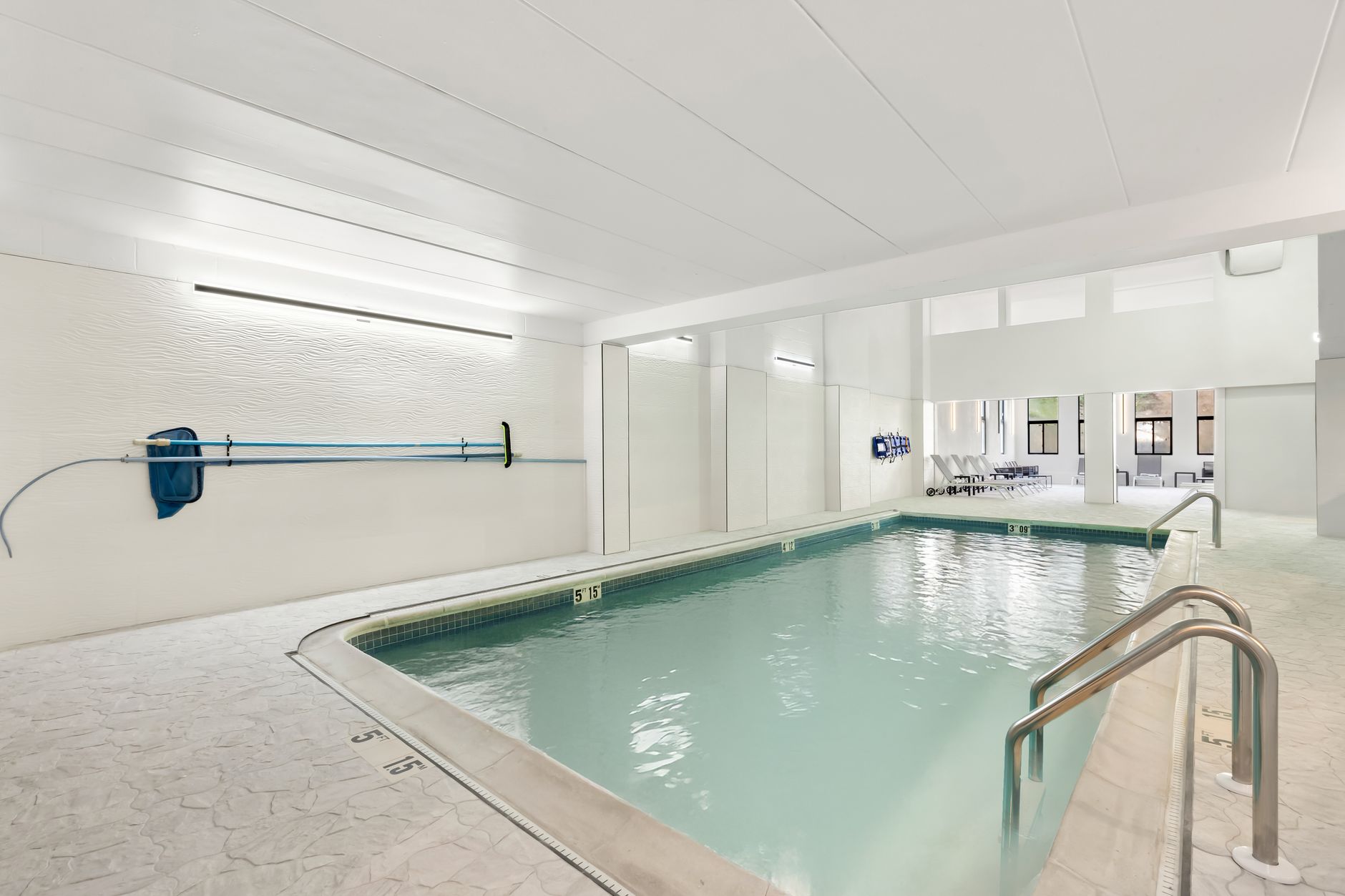 Comparisons & rankings
Hotels with pools in Albany, ranked
Comparisons & rankings
Hotels with pools in Albany, ranked
Nine Albany-area hotels with real, working pools, ranked honestly — because 7 of the 12 downtown properties don’t have one at all.
 Comparisons & rankings
Best family hotels in Albany: where to stay with kids in 2026
Comparisons & rankings
Best family hotels in Albany: where to stay with kids in 2026
The 8 Albany hotels that actually work for kids in 2026, tested against the real requirements: suite space, included breakfast, a working pool, and a 15-minute limit to Empire State Plaza — plus what rates do across the year.
 Comparisons & rankings
Hotels with free parking in Albany
Comparisons & rankings
Hotels with free parking in Albany
Downtown Albany hotels charge $18-$28 a night to park, so on a 3-night stay free parking is worth $84 — here are the 10 hotels that give it to you.